


Development bank funding in the Pacific is at an all-time high, but physical construction still moves slowly.
Two main obstacles get in the way: customary land ownership, which prevents standard land sales, and high financial risks (small markets, changing currency values, and natural disasters) that scare off private banks.
To get projects built, successful teams use a practical approach: co-owning land holding companies with local tribes, and mixing low-interest development loans with private investments.
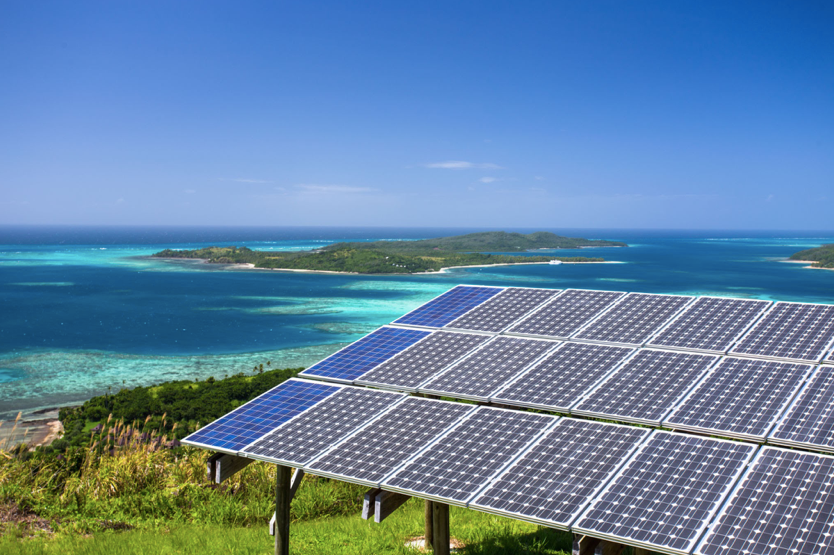
In Melanesia, over 80% of land belongs to traditional tribal groups. It is held communally, unrecorded in government ledgers, and cannot be sold under standard real estate contracts. Trying to buy land outright does not work.
The Tina River Hydropower Project in Solomon Islands created a working solution. Instead of buying the land, the government and international partners set up a 50/50 joint land company with local landowners.
                  TINA RIVER LAND & LEASE STRUCTURE
┌──────────────────────────────────────────────────────────────────┐
│                   Solomon Islands Government                     │
└────────────────────────────────┬─────────────────────────────────┘
                                 │
                   Joint 50/50 Equity Ownership
                                 │
┌────────────────────────────────┴─────────────────────────────────┐
│     Tina Core Land Company (TCLC) - Owns the Land Title          │
└────────────────────────────────┬─────────────────────────────────┘
                                 │
                   34-Year Commercial Lease
                                 │
┌────────────────────────────────┴─────────────────────────────────┐
│     Tina Hydro Limited (THL) - Private Builder/Operator          │
└──────────────────────────────────────────────────────────────────┘
Once the land is secured, projects need funding that fits local economic reality. If developers rely entirely on standard commercial bank loans, interest costs force electricity prices up beyond what island residents can pay.
The solution is combining three different types of money into one financing package:
                      HOW THE MONEY IS STACKED
┌─────────────────────────────────────────────────────────────────┐
│ Private Developer Money (Takes the main commercial risk)       │ ◄── 15-25%
├─────────────────────────────────────────────────────────────────┤
│ Low-Interest Development Loans (Long-term, cheap debt)        │ ◄── 50-60%
├─────────────────────────────────────────────────────────────────┤
│ Donor Grants (Government aid money that does not need repayment)│◄── 15-25%
└─────────────────────────────────────────────────────────────────┘
| Type of Money | Where It Comes From | What It Does | Terms |
|---|---|---|---|
| Donor Grants | Australia (AIFFP), New Zealand, Green Climate Fund | Pays for initial site work, environmental studies, and grid connections. | 0% interest, no repayment needed. |
| Low-Interest Loans | Asian Development Bank, World Bank | Covers the main construction cost at cheap interest rates. | 20–30 year payback period with 5–10 years grace before payments start. |
| Private Investment | Independent Power Companies, Regional Investors | Provides remaining cash and manages construction and daily operations. | Normal commercial returns (12–18%). |
To keep private investors from pulling out when problems happen, projects use three practical protections:
A typical $40 million solar and battery setup in the Pacific brings both ideas together:
By sharing land ownership with local tribes and mixing low-cost aid funds with private capital, developers can build stable power projects that keep electricity prices fair.