


According to the World Resources Institute, the energy sector was responsible for 75.7% of the global greenhouse gas emissions in 2021. Within the energy sector, 29.7% of emissions come from electricity and heat production. This figure also includes emissions from burning alternative fuels, as well as “fugitive” emissions—greenhouse gases that leak during the production, processing, or transport of fossil fuels. Meanwhile, data from Ember show that emissions from the Association of Southeast Asian Nations (ASEAN) power sector reached 718 million tonnes of CO₂ in 2023, accounting for 6.6% of global power-sector emissions. Coal remained the dominant source, responsible for 66% of emissions, while gas and other fossil fuels contributed a further 32%. Against this backdrop, accelerating regional energy integration could enable cross-border trade in renewable electricity and support shared investments in clean energy infrastructure across ASEAN.
To advance ASEAN regional energy integration objectives, the World Bank has authorized an additional grant of $7.7 million for ASEAN Power Grid projects under the ASEAN Centre for Energy (ACE). The grant is from the International Development Association (IDA). According to their page, IDA is a division of the World Bank assisting low-income nations worldwide. On the other hand, ASEAN describes ACE as a driver of the region’s economic development through the initiation and facilitation of multilateral collaborations and joint and collective energy-related activities.
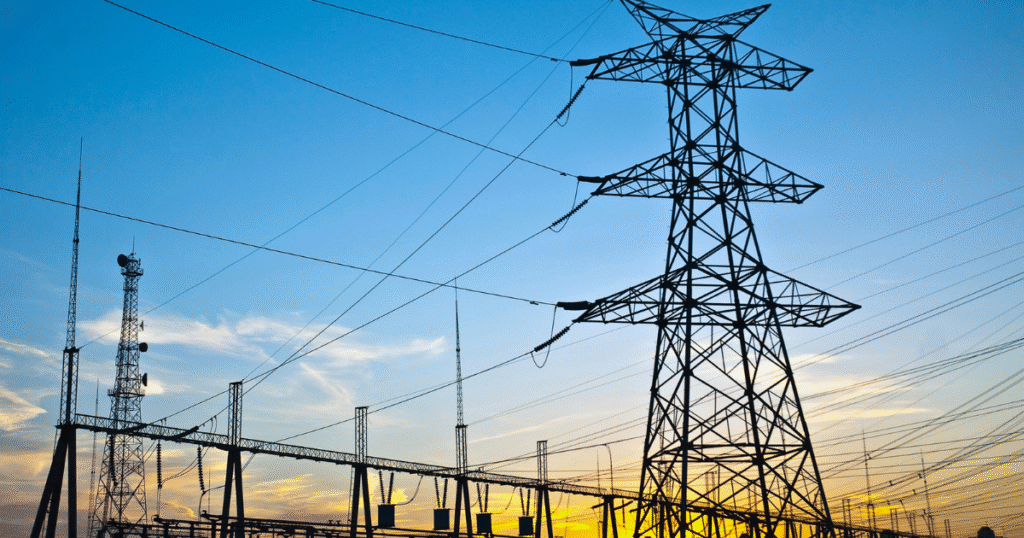
Before this loan, there was also a $5 million grant for ACE, authorized in September 2024. This funding is also under the World Bank’s $2.5 billion Accelerating Sustainable Energy Transition Program (ASET). The additional financing will support the ASEAN Vision 2020 project preparation facility in ACE for the ASEAN Power Grid (APG), which is expected to be operationalized by 2045.
The 6th ASEAN Energy Outlook describes APG as a facilitator of electricity trading among the member states. With this, it also aims to improve the integration among the countries belonging to the organization. In addition to improving grid stability and service in remote locations and facilitating more efficient use of resources, increased power system connectivity via the APG can also increase the region’s energy security as end uses and electricity demand increase. APG can also help the member states in bridging the renewable energy gap because, individually, it could be difficult on their own.
Looking into renewable energy is important since the electricity demand is predicted to increase by up to 41% by 2030. Shifting toward green energy could help in meeting the demand and, at the same time, aid the countries’ goal in reaching net-zero.
Coal, gas, and other fossil fuels are still the top energy sources in ASEAN. According to the data by EMBER, with increases of 14 million and 20 million tons, respectively, Indonesia and Vietnam accounted for around 78% of this rise in power sector emissions. Coal was the primary source of carbon emissions in Indonesia, Vietnam, Malaysia, and the Philippines, while gas was the primary source in Thailand and Singapore.
“An integrated energy grid will increase reliability, affordability, flexibility, and resilience of power systems and leverage the region’s diverse energy sources, such as wind and solar,” said the Regional Vice President of the East Asia and Pacific Region, Manuela Ferro.
This funding supports national and regional initiatives to enhance ASEAN regional energy integration and accelerate the scale-up of renewable energy, aligning with ASET MPA’s goals. In addition to supporting technical studies like the ASEAN Interconnection Masterplan Study, it will help with transaction structure to bring together a variety of funders, including the private sector and development partners. Additionally, it will improve ACE’s implementation and coordination capabilities to address the growing need to support regional power trading among ASEAN nations.