


In Mongolia, there is an extreme weather event that is unique to the country called dzud. Dzud is a type of compound threat that can occur in cold, dry climates and includes windstorms, severe cold, heavy snowfall, and drought. According to an article from UNESCO, from November 2023 to May 2024, Mongolia went through its most severe dzud in fifty years. More than 188,300 individuals, including 80,215 children, were affected by severe blizzards and severely low temperatures. During these months, herder families who depended on cattle for their livelihood suffered greatly as a result of the millions of animals that died. With the country’s economy being heavily reliant on livestock and mining, there’s a need for a pivotal step to boost Mongolia’s climate resilience and sustainability.
In May 2025, to promote inclusive, sustainable, and diversified growth, the Asian Development Bank (ADB) unveiled its new Country Partnership Strategy (CPS) for Mongolia for 2025–2028. With this four-year partnership, ADB’s operations will center around three strategic priorities: fostering inclusive and diverse growth, enhancing sustainability and resilience, and increasing opportunity and empowerment.
As part of its priority, ADB will support debt management, domestic resource mobilization, sovereign wealth fund creation, and state-owned company reform to improve macroeconomic and public sector management. By enhancing Mongolia’s investment climate, developing public-private partnerships, fortifying the stability of the banking industry, and assisting with vital mineral mining, it will boost private sector growth and financial access. At the same time, by strengthening transportation infrastructure, reducing logistics costs, and promoting trade, ADB will also increase connectivity both domestically and regionally.
ADB will foster institutional and policy frameworks for climate action, mobilize sustainable financing, and expand access to green loans and bonds to further the second strategic aim. By fostering agribusiness, bolstering food security, safeguarding the environment, and improving risk finance, readiness, and response to disasters, it will promote rural and disaster resilience.
This priority recognizes the climate and temperature changes in Mongolia. According to Mongolia’s Climate Risk Country Profile, the nation is experiencing higher temperatures, doubling compared to the global average.
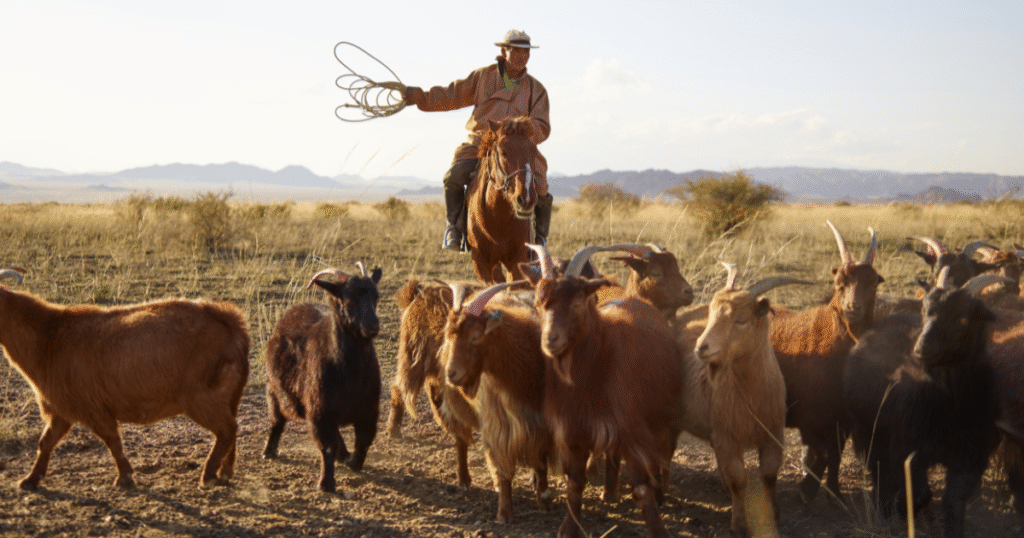
At the same time, Mongolia is also experiencing worse extreme cold weather. In mid-December 2023, Mongolia experienced a prolonged period of frigid weather, with temperatures dropping below –40°C, according to reports. This has led to the death of around 7% of the livestock in the country, which is 4.7 million livestock. Add to that the country’s location and fragile ecosystems. These adversely affect most of its population, who are traditional nomadic herders, as they rely on agriculture and livestock for their lifestyle.
Additionally, ADB will invest in resilient and sustainable infrastructure in urban and rural regions, further pushing Mongolia’s climate resilience and sustainability. This CPS includes initiatives that upgrade urban and transportation facilities in aimag (provincial) and soum (district) centers, as well as in the ger areas of Ulaanbaatar.
Low-carbon and reasonably priced housing will also be developed, and satellite cities will be supported. ADB’s energy-related initiatives include modernizing the power system with digital technology, promoting electricity and heat decarbonization, and accelerating the energy transition through investment and reform.
To lessen dependency on cash aid, ADB’s third priority aims to empower people by building a skilled labor force, enhancing health services, and promoting adaptive social protection through education, hospitals, and primary care support, and reforms that improve targeting, resilience, and employment opportunities.
ADB Country Director for Mongolia, Shannon Cowlin, said the new partnership’s strategy aligns with the country’s national development priorities and the government action plan. “It addresses key economic challenges such as the reliance on mineral exports and related macroeconomic vulnerabilities, while supporting private sector development and promoting growth in agribusiness, financial institutions, and renewable energy,” she added.