


According to the MIT Climate Portal, freight transportation is responsible for 8% of global greenhouse gas emissions; this could increase to 11% when including ports and warehouses. Given that billions of tons of cargo are transported worldwide, these emissions are not surprising. These figures do not just serve as an environmental challenge to procurement professionals but also as an opportunity to drive change. By incorporating carbon reduction methods into contracts and purchasing decisions, low-carbon logistics procurement ensures that suppliers, carriers, and partners are in line with their sustainability goals.
Planes, ships, trains, and trucks form the backbone of modern global freight transportation, serving as the foundation of worldwide supply chains. With consumers demanding greener products, governments tightening emissions rules, and businesses promising to fulfill net-zero pledges, procurement teams can be crucial in guiding the supply chain toward smarter shipping and sustainable fleets.
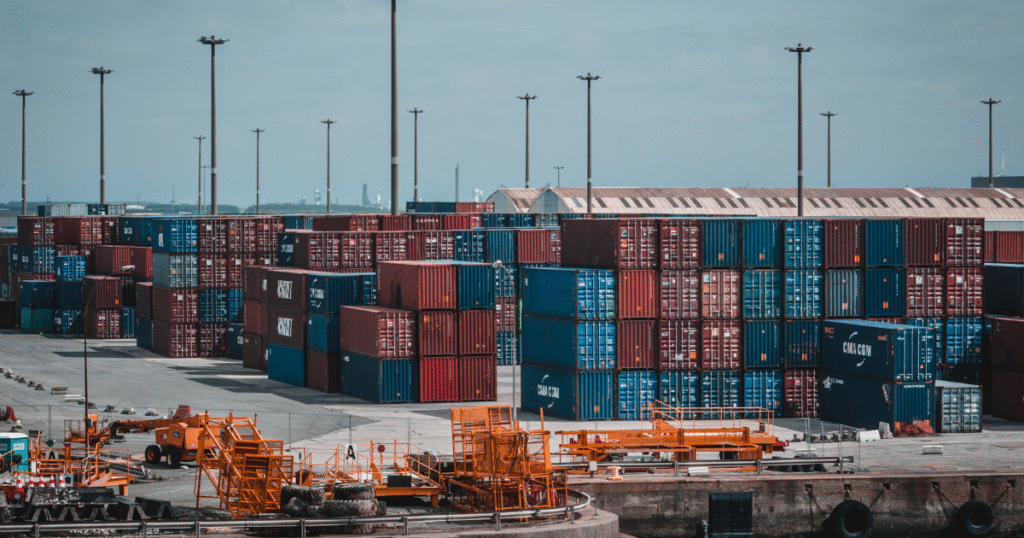
Choosing cleaner cars and fuels is the first step in fleet decarbonization. Many businesses are switching their urban delivery fleets to electric or hybrid vehicles and, in certain situations, investigating hydrogen, biodiesel, or CNG alternatives, as reported by SupplyChainBrain and SAP. This initiative is minimizing operating emissions and local air pollution.
Technology is one of the main factors in reducing freight emissions. Tools like telematics systems and AI-driven route optimization can reduce empty kilometers, track vehicle performance, and guarantee trucks run as efficiently as possible. Combining shipments to create fuller loads is also preferable to sending out many half-empty vehicles, as this approach significantly reduces fuel consumption.
Climate Action Accelerator suggested that procurement teams should incorporate these specifications into RFPs, favoring logistics companies with quantifiable sustainability pledges, including validated Science-Based Targets.
The mode of transportation strongly influences a shipment’s environmental impact. When schedules allow, choosing lower-emission options like rail or marine freight instead of air transport can significantly reduce each cargo’s carbon footprint.
Air freight has the highest carbon emissions, producing around 1,054 grams of CO₂ per tonne-kilometer. However, even if the quality of the fuel used frequently results in significant local pollution issues, utilizing maritime transport generates far lower emissions, around 19 gCO₂/tonne-km, according to Climate Action Accelerator.
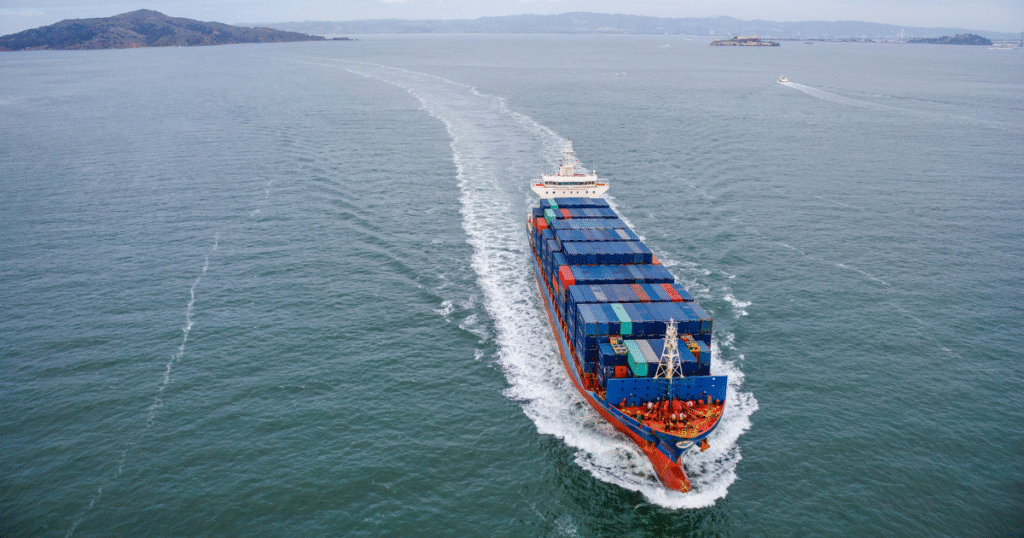
Still, the environmental impact of sea freight can be improved. In a separate report, the Climate Action Accelerator emphasized the importance of optimizing supply chain planning to help reduce freight and improve the industry’s environmental impact. The report also suggests that businesses and organizations can already request the use of alternative fuels that have the potential to significantly reduce greenhouse gas emissions, from about 80% with biofuels to nearly 100% with all-electric vehicles.
At its core, data drives low-carbon logistics procurement. SAP claims that procurement teams can keep an eye on and control emissions by using platforms that include digital twin simulations, IoT-enabled operational data, and real-time carbon-tracking dashboards. This improves sustainability and transparency. By evaluating more environmentally friendly routes or modes before committing to contracts, scenario modeling tools can also minimize expensive trial-and-error.
Low-carbon logistics procurement is a competitive advantage and a climate need, not just a trendy term for sustainability. Through the use of data-driven, future-oriented, and well-informed sourcing decisions, procurement professionals are in a unique position to speed the transition to sustainable fleets and smart shipping. The sooner these tactics are adopted as commonplace, the more quickly supply chains may contribute to environmental advancement.