


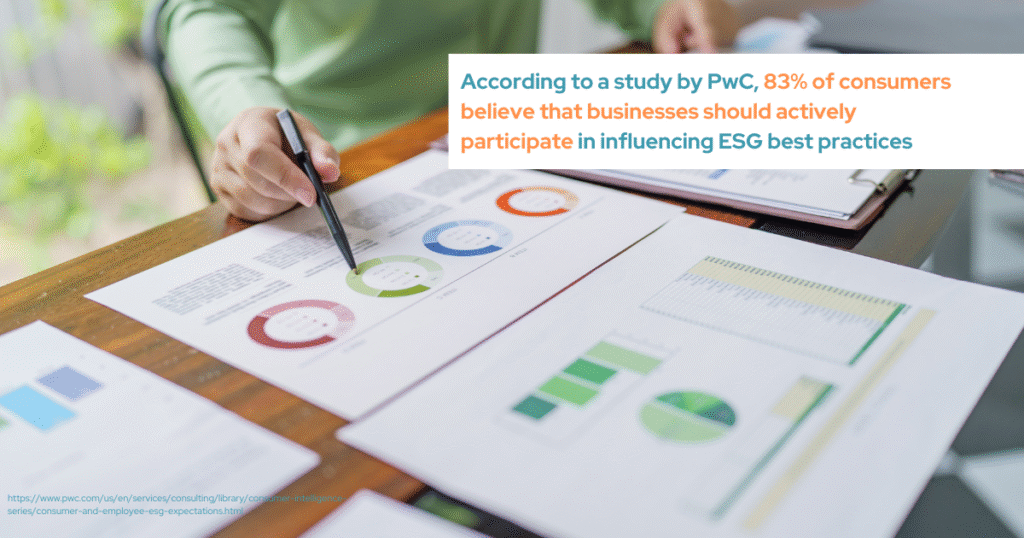
Eighty-three percent of customers think that companies should actively influence ESG best practices, according to a PwC study. Consumers were more likely to engage with and buy from companies and organizations that not only follow rules but also help change the environment and society. In this context, global sustainable procurement regulations continue to evolve as climate change intensifies, supply chain risks increase, and investor expectations shift.
Nowadays, procurement involves more than just securing the best deal or guaranteeing performance. Governments, development institutions, and corporations worldwide strategically use procurement to promote resilience and sustainability. Understanding these frameworks is crucial for professionals and decision-makers to unleash long-term value and innovation, as well as for compliance.
It is no surprise that the effects of climate change have brought many disasters and affected the lives of many. While countries are doing their part in lessening their emissions, businesses and private organizations also play a vital role in actively adjusting regulations, especially in procurement.
Sustainable procurement is crucial because it links decisions about what to buy to more general economic, social, and environmental effects. It ensures that infrastructure, products, and services support long-term resilience, equity, and climate goals rather than just short-term cost savings.
The United Nations Development Programme Practitioner’s (UNDP) Guide to Sustainable Procurement states that a procurement strategy must include social, environmental, and economic factors to be considered truly sustainable. The guide also pointed out that more than acquiring sustainable products, companies and governments must also include sustainability in their internal processes and procedures. This includes upholding human rights and encouraging more environmentally friendly production methods.
Sustainable procurement is guided by a set of foundational principles that extend well beyond cost savings:
These principles ensure that procurement supports climate goals, social responsibility, and economic resilience simultaneously.
In its Environmental and Social Framework (ESF), the World Bank emphasizes procurement as a means by which borrowers must control environmental and social (E&S) risks and effects. The framework components that procurement processes support through contractual responsibilities include risk areas like child labor, forced labor, safety, pollution prevention, and worker rights.
The bank also points out that using public money wisely can promote environmentally friendly and socially responsible practices through sustainable procurement, which can result in benefits like reduced emissions, support for minority-owned businesses, and taking climate issues into account when planning and carrying out projects.
Simultaneously, the Asian Development Bank underscores the significant financial potential of sustainable procurement. The industry represents a $13 trillion opportunity in the Asia-Pacific region and a strategy framework to combine economic, environmental, social, and governance objectives in building low-carbon and inclusive economies.

Only when combined with real-world action can frameworks and rules be effective. For instance, Veridion claims that industry research emphasizes the importance of reporting platforms like CDP and standards like ISO 20400 in coordinating procurement with global sustainability objectives. Additionally, businesses are spending money on supplier engagement initiatives that monitor and enhance environmental, social, and governance (ESG) performance throughout value chains, such as scorecards and incentives.
Another crucial tactic is lifecycle costing. Organizations look at long-term value and total cost of ownership rather than just upfront prices. In the same blog, Veridion points out that by integrating sustainability into procurement, Unilever was able to save $1.5 billion between 2008 and 2021.
Platforms and automation are revolutionizing procurement through digital transformation, enhancing productivity. This change includes incorporating sustainability checks into the process, bolstering compliance, and enhancing decision-making transparency.
The role of procurement as a catalyst for systemic change is becoming more widely acknowledged. By adhering to global sustainable procurement regulations, leaders may lower climate risks, improve supply chains, and meet stakeholder expectations.