


With procurement leaders today currently facing increasing pressure to manage climate risks while complying with new sustainability requirements and standards, adopting circular principles could be the answer. Circular procurement not only focuses on reducing waste and reusing materials, but it also prioritizes the design of circular products and services. In fact, there are circular procurement case studies that demonstrate how businesses are implementing real-world strategies to balance sustainability and competitiveness.
A podcast from PwC notes that the Asia-Pacific region is at the epicenter of climatic and environmental challenges. These challenges include escalating waste production and loss of biodiversity. It is anticipated that the region’s yearly waste production will increase by 71% in 2050, highlighting the pressing need for innovative circular strategies.
Circular procurement replaces conventional purchasing methods with ones that prioritize remanufacturing, repair, and resource recovery. This shift is already delivering measurable gains. According to the same podcast, if the private sector implements circular practices in a year, it will cut emissions in the Asia-Pacific region by 7.2% and increase GDP by $340 billion.
A GEP analysis also shows that this strategy not only helps businesses comply with regulatory requirements but also enhances supply chain resilience and boosts brand recognition. Circular procurement aims to create more intelligent, sustainable growth rather than merely causing less harm.
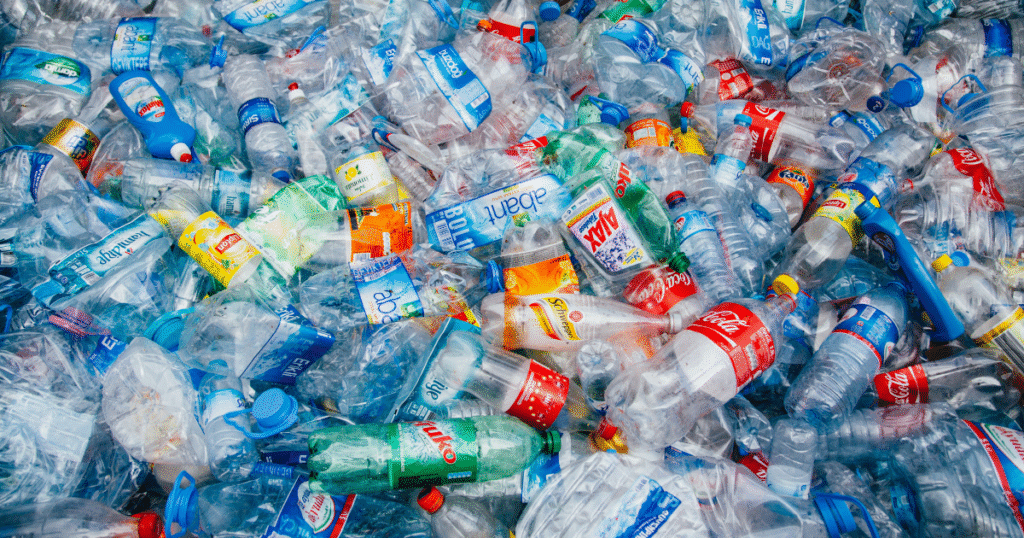
Indonesian company Sae-A Trading is one example. According to a report by IUCN, Indonesia is the fifth-biggest contributor to marine plastic pollution, responsible for nearly 10% of the global total. The country also generates and imports massive plastic waste while mismanaging over 60% of its total.
The company set the circular target of turning used bottles into recycled clothing after realizing the growing issue of PET material waste. Sae-A made investments in recycling facilities and implemented biomass fuel to power its operations as part of its PlasticEcoCycle initiative. The project raised awareness in local communities and schools and collected 701 kg of PET bottles, which were then converted into 6,200 T-shirts and teddy bears.
The 2022 Plastic Resource Circulation Act in Japan encourages the usage of plastic from conception to disposal and retail. It provides regulatory flexibility and promotes supply chain cooperation in the direction of a circular economy by certifying companies that gather and recycle consumer goods, as well as their own industrial waste.
To comply with this, Kao Corporation’s circular target is to establish a collection system for used refill packs. The company applied for certification under the Act and became the first manufacturer or retailer to be authorized in March 2024, allowing collection at its locations and in Kamakura City without requiring a waste management permit. This accomplishment places Kao as a leader in promoting resource circulation in Japan and fortifies the company’s circular packaging efforts.

Real estate procurement locks with lengthy lifespans and resource-intensive materials. Singapore’s City Developments Limited (CDL) Annual Report 2023 states that developers must meet high sustainability standards.
CDL’s circular target is to reduce its carbon footprint and include more environmentally friendly materials and technologies in all of its projects. Through stricter procurement regulations, supplier engagement, and the promotion of energy-efficient and environmentally friendly projects, CDL was able to reduce operational carbon emissions by 14% in 2023 and was the first Singaporean company to release TNFD-aligned disclosures, solidifying its position as a leader in sustainable real estate.
These circular procurement case studies proved how companies and organizations can go beyond mere compliance to implement sustainability and resilience at the core of their supply chain strategies. Procurement leaders who embrace circular thinking now are more equipped to handle stakeholder expectations, resource shortages, and regulatory risk. These examples outline a course for the circular procurement of the future.