


As stated in an article from the World Economic Forum, developing countries bear the brunt of climate change’s impacts. Despite playing a smaller role in driving climate change than their richer counterparts, these nations face a disproportionate share of its consequences, including more and severe natural disasters. Bangladesh is one of the most vulnerable countries to these impacts. From increasing sea levels and riverine floods to more frequent cyclones and high heat events, Bangladesh faces some of the world’s most serious climate concerns. The Asian Development Bank (ADB) has authorized a policy-based loan to support climate-resilient, inclusive development programs in Bangladesh, advancing the nation’s initiatives to address climate vulnerabilities and encourage green growth.
The country’s acute climate vulnerability poses a serious threat to Bangladesh’s economy, land, and food systems. By the middle of the century, the nation’s economic production may have significantly decreased if current emission trends continue. According to ADB, Bangladesh’s gross domestic product would lose up to one-third of its GDP by 2070 if excessive global greenhouse gas emissions persist.
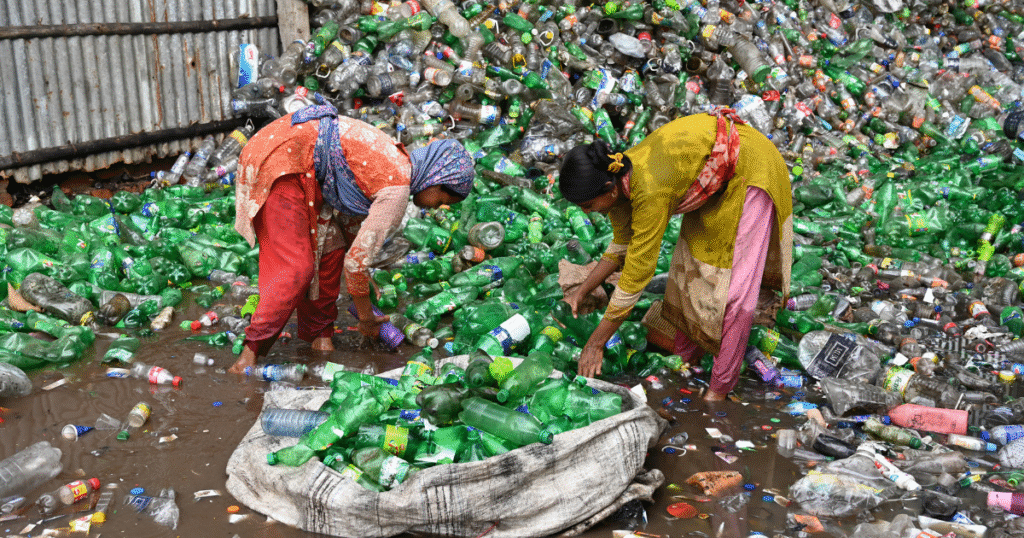
According to the International Energy Agency, Bangladesh was only responsible for 0.3% of global emissions in 2022. Still, the country is set to lower its emissions by 2030 by 6.73% through boosting renewable energy, improving traffic congestion, shifting to rail transportation, enhancing agricultural practices, and expanding forest cover by 150,000 hectares in coastal and degraded areas.
Flooding and cyclones also inflict significant damage each year in Bangladesh, and forecasts for the future indicate that their effects will only get worse. Tropical cyclones bring on a loss of $1 billion, or 0.7% of GDP, while extreme floods could cause up to a 9% decline in Bangladesh’s economy. The potential significant drops in food production and land loss by 2050 could also seriously jeopardize food and nutrition security.
ADB Senior Public Sector Economist Sameer Khatiwada said that this program would help bring collaboration among the country’s government agencies and integrate their activities into the national policies. “It will also remove obstacles to mobilizing climate finance, reinforce adaptation efforts in priority sectors, and speed up actions to reduce climate impacts,” he added.

According to the press release, the loan, amounting to $400 million, will go toward the second phase of the Climate-Resilient Inclusive Development Program (CRIDP). Through this program, Bangladesh will be able to reduce its greenhouse gas emissions, shift to a low-carbon economy, improve its climate resilience, and integrate social inclusion and gender equality into the government’s climate efforts. CRIDP’s funding is also supported by the Asian Infrastructure Investment Bank (AIIB) with $400 million and almost $113 million in cofinancing from the Agence Française de Développement.
CRIDP will establish the Bangladesh Climate Development Partnership to secure climate funds and assist government ministries in developing, implementing, monitoring, and evaluating climate initiatives more effectively. There will also be gender-responsive and youth-related local adaptation under a new framework. The initiative also supports a national disaster risk finance plan through utilizing tools such as crop insurance, disaster risk insurance, and contingent disaster financing.
This initiative also supports updating Dhaka’s Revised Strategic Transport Masterplan (2025-2034) and tracking the implementation of the renewable energy program under the Integrated Energy and Power Master Plan. All these plans support climate-resilient, inclusive development programs in Bangladesh.
With rising global temperatures, Bangladesh’s experience provides important lessons for how climate-vulnerable nations should work toward inclusive and resilient growth while advancing social justice and governance reform. This initiative can help build a more climate-resilient and inclusive future for Bangladesh.